

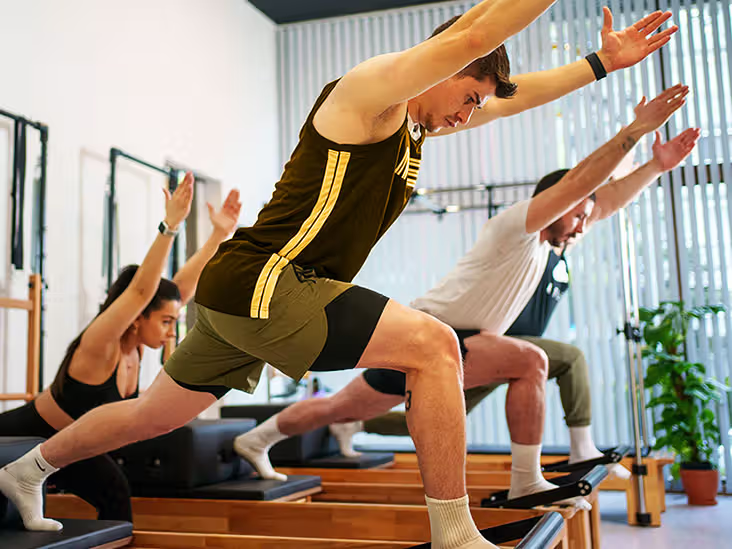
Discover the complete guide to daily exercise with proven benefits, effective workout routines, and expert tips to build a sustainable fitness habit that transforms your health and wellbeing.
Introduction: Why Daily Exercise Matters More Than Ever
In today’s fast-paced world, finding time for daily exercise can feel like an impossible challenge. Between work commitments, family responsibilities, and the constant pull of digital distractions, physical activity often falls to the bottom of our priority list. However, making daily exercise a non-negotiable part of your routine is one of the most powerful decisions you can make for your physical health, mental wellbeing, and overall quality of life.
Daily exercise isn’t just about losing weight or building muscle—though those are certainly valuable benefits. It’s about investing in your future self, reducing your risk of chronic diseases, boosting your mood, improving your sleep quality, and enhancing your cognitive function. Whether you’re a complete beginner or someone looking to establish a more consistent routine, this comprehensive guide will provide you with everything you need to make daily exercise a sustainable, enjoyable part of your lifestyle.
The Science-Backed Benefits of Daily Exercise
Physical Health Benefits
Cardiovascular Health Improvement
Regular daily exercise is one of the most effective ways to strengthen your heart and improve cardiovascular health. When you engage in physical activity, your heart rate increases, which helps strengthen the heart muscle over time. This improved cardiovascular fitness reduces your risk of heart disease, stroke, high blood pressure, and high cholesterol. Studies consistently show that people who exercise regularly have significantly lower rates of cardiovascular disease compared to sedentary individuals.
Weight Management and Metabolism
Daily exercise plays a crucial role in maintaining a healthy weight and boosting your metabolism. Physical activity burns calories during the workout itself, but it also increases your resting metabolic rate, meaning you continue burning more calories even when you’re not exercising. This metabolic boost is particularly pronounced with strength training exercises, which build lean muscle mass that requires more energy to maintain than fat tissue.
Stronger Bones and Muscles
Weight-bearing exercises and resistance training stimulate bone formation and slow bone loss, reducing your risk of osteoporosis as you age. Regular exercise also builds and maintains muscle mass, which naturally declines with age if not actively preserved through physical activity. Strong muscles and bones improve your balance, coordination, and overall functional fitness, making everyday activities easier and reducing your risk of falls and injuries.
Enhanced Immune Function
Moderate daily exercise has been shown to boost immune system function, helping your body fight off infections and diseases more effectively. Regular physical activity promotes good circulation, which allows immune cells to move through your body more efficiently. However, it’s important to note that excessive intense exercise without adequate recovery can temporarily suppress immune function, which is why balance and moderation are key.
Mental Health and Cognitive Benefits
Reduced Stress and Anxiety
Exercise is a powerful stress reliever that helps reduce levels of stress hormones like cortisol and adrenaline while simultaneously stimulating the production of endorphins—your brain’s natural mood elevators. Many people find that a workout session provides a healthy outlet for releasing tension and clearing their mind, making daily challenges feel more manageable.
Improved Mood and Depression Management
Regular physical activity has been proven to be as effective as medication for some people dealing with mild to moderate depression. Exercise triggers the release of neurotransmitters like serotonin, dopamine, and norepinephrine, which play crucial roles in regulating mood. The sense of accomplishment from completing a workout also provides a psychological boost that can improve self-esteem and confidence.
Better Sleep Quality
Daily exercise helps regulate your circadian rhythm and promotes deeper, more restorative sleep. Physical activity increases the time you spend in deep sleep, the most physically restorative sleep phase. However, timing matters—exercising too close to bedtime can be stimulating for some people, so it’s generally recommended to finish intense workouts at least a few hours before sleep.
Enhanced Cognitive Function and Memory
Exercise increases blood flow to the brain, promoting the growth of new brain cells and improving connections between existing neurons. Regular physical activity has been linked to improved memory, faster learning, better concentration, and enhanced creativity. It may also reduce the risk of cognitive decline and dementia as you age.
How Much Exercise Do You Really Need?
Understanding the recommended guidelines for daily exercise can help you set realistic goals and create an effective routine. According to major health organizations, adults should aim for:
- At least 150 minutes of moderate-intensity aerobic activity per week (such as brisk walking, cycling, or swimming)
- OR 75 minutes of vigorous-intensity aerobic activity per week (such as running, HIIT workouts, or competitive sports)
- Muscle-strengthening activities involving all major muscle groups at least 2 days per week
This breaks down to approximately 30 minutes of moderate exercise five days per week, or you can spread it out into shorter 10-15 minute sessions throughout the day. The key is consistency—daily movement, even in smaller amounts, is more beneficial than sporadic intense workouts.
Creating Your Perfect Daily Exercise Routine
For Beginners: Starting Your Fitness Journey
If you’re new to exercise or returning after a long break, start slowly and gradually increase intensity and duration. Here’s a simple beginner-friendly weekly structure:
Week 1-2: Building the Habit
- 15-20 minutes of walking daily
- 2 days of basic bodyweight exercises (squats, wall push-ups, planks)
- Focus on consistency over intensity
Week 3-4: Increasing Duration
- 25-30 minutes of brisk walking or light jogging
- 3 days of bodyweight strength training
- Add stretching or yoga on rest days
Week 5-8: Adding Variety
- Mix cardio activities (walking, cycling, swimming)
- Increase strength training to 3-4 days per week
- Introduce interval training once per week
Intermediate Level: Balanced Weekly Schedule
For those with some fitness experience, a balanced routine might include:
Monday: 45 minutes moderate cardio (running, cycling, or rowing)
Tuesday: Upper body strength training (30-40 minutes)
Wednesday: 30 minutes HIIT or interval training
Thursday: Lower body strength training (30-40 minutes)
Friday: 45 minutes moderate cardio or group fitness class
Saturday: Full body strength circuit or active recreation (hiking, sports)
Sunday: Active recovery (yoga, stretching, light walk)
Advanced Level: Performance-Focused Training
Advanced exercisers might follow a more structured program:
- 5-6 days of training per week
- Periodized strength training with progressive overload
- Sport-specific conditioning
- Dedicated mobility and recovery work
- Strategic rest days for optimal adaptation
Types of Daily Exercise to Consider
Cardiovascular Exercise
Cardio exercises elevate your heart rate and improve endurance. Options include:
- Walking and Hiking: Low-impact, accessible, and great for beginners
- Running and Jogging: Higher intensity, excellent calorie burn
- Cycling: Low-impact option that’s easy on joints
- Swimming: Full-body workout with zero impact
- Dancing: Fun, social, and effective cardio
- Jump Rope: Efficient, portable, and challenging
Strength Training
Building muscle improves metabolism, bone density, and functional fitness:
- Bodyweight Exercises: Push-ups, squats, lunges, planks
- Free Weights: Dumbbells and barbells for progressive resistance
- Resistance Bands: Portable and versatile for all fitness levels
- Machines: Guided movements ideal for beginners
- Kettlebells: Dynamic movements combining strength and cardio
Flexibility and Mobility Work
Often overlooked but essential for injury prevention and movement quality:
- Static Stretching: Holding stretches for 20-30 seconds
- Dynamic Stretching: Movement-based stretching before workouts
- Yoga: Combines flexibility, strength, and mindfulness
- Pilates: Core-focused movement system
- Foam Rolling: Self-myofascial release for recovery
Mind-Body Exercises
Connecting physical movement with mental focus:
- Yoga: Various styles from gentle to intense
- Tai Chi: Slow, flowing movements promoting balance
- Qigong: Ancient Chinese practice combining movement and breath
- Meditation Walks: Mindful walking in nature
Overcoming Common Exercise Barriers
“I Don’t Have Time”
Time is the most commonly cited barrier to regular exercise. Solutions include:
- Break exercise into 10-minute chunks throughout the day
- Wake up 30 minutes earlier
- Use lunch breaks for quick walks
- Combine exercise with other activities (walking meetings, active commuting)
- Prioritize exercise like any other important appointment
“I’m Too Tired”
Paradoxically, regular exercise actually increases energy levels. Start with:
- Morning workouts before fatigue sets in
- Gentle movement when tired (walking, stretching)
- Shorter, more intense workouts that take less time
- Evaluating sleep quality and nutrition
“Exercise Is Boring”
Keep workouts interesting by:
- Trying new activities regularly
- Exercising with friends or joining classes
- Listening to music, podcasts, or audiobooks
- Setting varied goals and challenges
- Exercising outdoors in different locations
“I Can’t Afford a Gym”
Effective exercise doesn’t require expensive equipment:
- Bodyweight exercises at home
- Free workout videos online
- Outdoor activities (running, hiking, park workouts)
- Minimal equipment (resistance bands, jump rope)
- Community recreation centers with low-cost memberships
Building a Sustainable Daily Exercise Habit
Start Small and Build Gradually
The biggest mistake people make is starting too aggressively and burning out quickly. Begin with manageable goals you can consistently achieve, then gradually increase difficulty. Success breeds motivation, so prioritize consistency over intensity in the beginning.
Schedule Your Workouts
Treat exercise appointments as non-negotiable commitments. Block time in your calendar and prepare everything the night before—lay out workout clothes, pack your gym bag, or set up your home workout space.
Find Your “Why”
Connect with your deeper motivation for exercising. Is it to have energy to play with your children? To manage a health condition? To feel confident? To reduce stress? Keeping your “why” front and center helps you push through resistance.
Track Your Progress
Monitoring your progress provides motivation and accountability. Track:
- Workout completion (simple checkmarks work)
- Performance metrics (weights lifted, distances run, times)
- How you feel (energy, mood, sleep quality)
- Body measurements if relevant to your goals
Build in Accountability
Social support dramatically increases adherence:
- Find a workout partner
- Join a fitness community or class
- Share your goals with friends and family
- Hire a personal trainer or coach
- Use fitness apps with social features
Celebrate Milestones
Acknowledge your achievements along the way:
- Reward consistency streaks
- Celebrate performance improvements
- Recognize how much better you feel
- Share successes with your support network
Nutrition and Recovery: Essential Partners to Exercise
Daily exercise is only one component of a healthy lifestyle. Proper nutrition and recovery are equally important:
Pre-Workout Nutrition
Fuel your body 1-2 hours before exercise with:
- Complex carbohydrates for energy
- Moderate protein
- Low fat and fiber to avoid digestive issues
- Adequate hydration
Post-Workout Recovery
Support muscle recovery and adaptation with:
- Protein within 1-2 hours after exercise
- Carbohydrates to replenish glycogen stores
- Rehydration with water or electrolyte drinks
- Anti-inflammatory foods (fruits, vegetables, omega-3s)
Rest and Sleep
Your body adapts and grows stronger during rest periods:
- Aim for 7-9 hours of quality sleep nightly
- Include at least one full rest day per week
- Listen to your body and take extra rest when needed
- Manage stress through relaxation techniques
Staying Safe While Exercising Daily
Warm Up and Cool Down
Always prepare your body for exercise and help it recover:
- 5-10 minutes of light cardio to warm up
- Dynamic stretching before workouts
- Gradual cool-down after intense exercise
- Static stretching when muscles are warm
Use Proper Form
Correct technique prevents injuries and maximizes results:
- Learn proper form from qualified instructors
- Start with lighter weights to master movements
- Use mirrors or video yourself to check form
- Don’t sacrifice form for heavier weights or more reps
Listen to Your Body
Distinguish between productive discomfort and pain:
- Muscle fatigue and mild soreness are normal
- Sharp pain, joint pain, or unusual discomfort require attention
- Modify or skip workouts when genuinely unwell
- Seek professional help for persistent pain
Progress Gradually
Avoid the “too much, too soon” trap:
- Increase volume or intensity by no more than 10% per week
- Allow adaptation time before adding new challenges
- Periodize training with easier and harder phases
- Respect the recovery process
Conclusion: Your Daily Exercise Journey Starts Now
Committing to daily exercise is one of the most valuable investments you can make in yourself. The benefits extend far beyond physical appearance, touching every aspect of your life—from your energy levels and mood to your long-term health and longevity. While starting a new habit can feel daunting, remember that every expert was once a beginner, and every fitness journey begins with a single step.
Start where you are, use what you have, and do what you can. Focus on consistency rather than perfection, progress rather than comparison, and sustainability rather than quick fixes. Your future self will thank you for the commitment you make today to move your body, challenge yourself, and prioritize your health.
The best time to start was yesterday. The second best time is right now. Lace up those shoes, roll out that yoga mat, or simply step outside for a walk. Your daily exercise journey begins today, and every single workout brings you closer to becoming the healthiest, strongest, most vibrant version of yourself.
Ready to transform your life through daily exercise? Start today with just 10 minutes of movement, and watch as that small commitment grows into a life-changing habit.
