

Introduction
When it comes to improving your website’s performance, one term you’ll hear often is CDN, or Content Delivery Network. Whether you run a blog, an e-commerce store, a portfolio, or a business website, using a CDN can significantly boost your site’s speed, user experience, and SEO rankings.
In 2025, website speed and global accessibility matter more than ever—and a CDN is one of the simplest ways to achieve both.
This guide explains what a CDN is, how it works, and why it plays a huge role in your website’s overall performance and search engine optimization.
What Is a CDN (Content Delivery Network)?
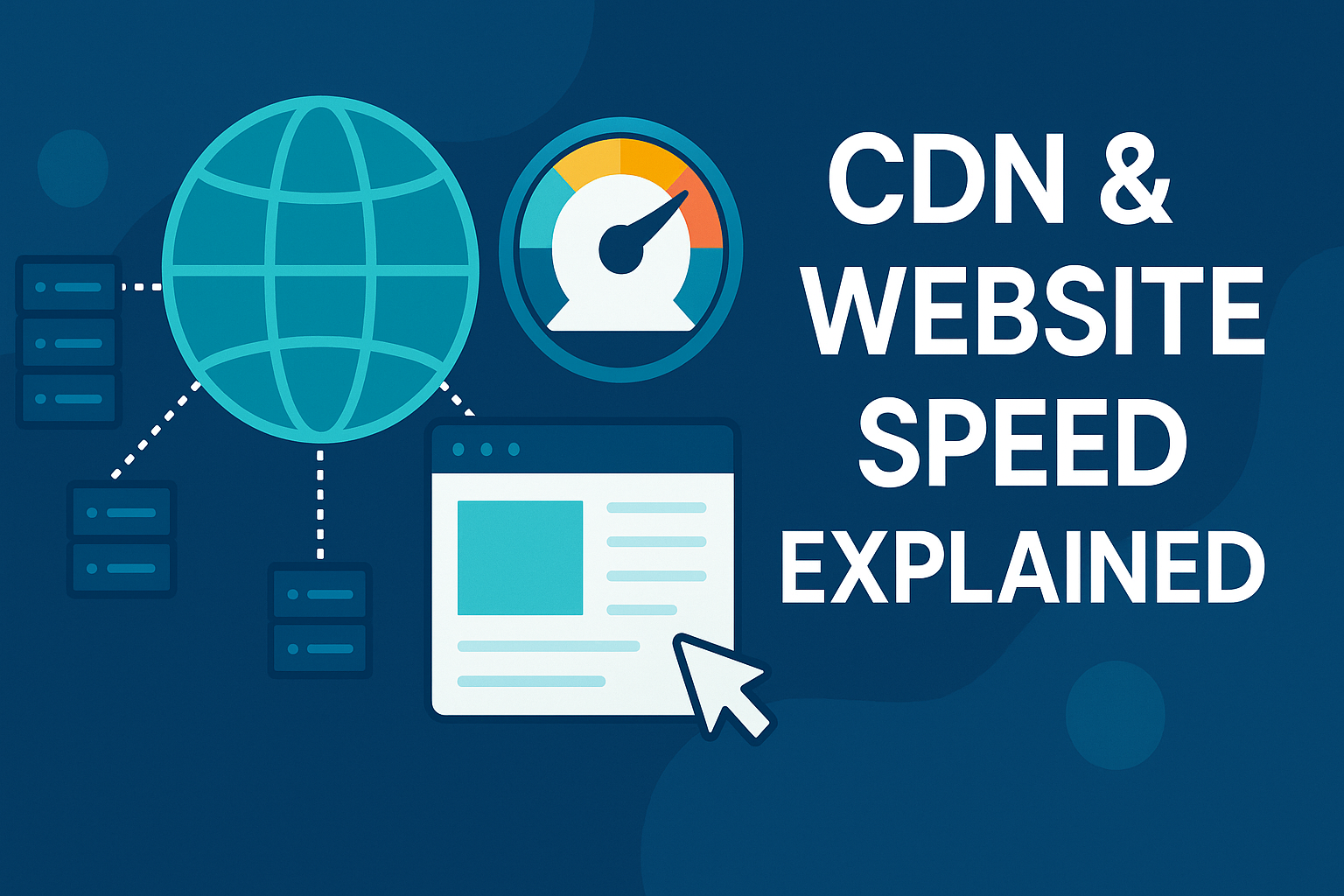
A CDN is a network of servers distributed across multiple locations around the world.
These servers store cached versions of your website’s files such as:
- Images
- Videos
- CSS & JavaScript
- HTML pages
- Fonts
When a visitor opens your website, the CDN serves the content from the server nearest to their location.
Simple Example:
If your main server is in the USA but a visitor is browsing from India, the CDN delivers your content from an Indian server instead of the U.S. server.
Result:
✔ Faster loading
✔ Lower latency
✔ Better user experience
How Does a CDN Work? (Simple Explanation)
Here’s an easy step-by-step breakdown:
- Your website data is copied to multiple CDN servers worldwide.
- When a user visits your site, the CDN detects their location.
- It then delivers content from the nearest server.
- This reduces the distance and speeds up loading time.
- The main server only handles dynamic content (like form submissions).
It’s like having mini-versions of your website stored worldwide.
Why Website Speed Matters in 2025
Fast loading websites enjoy:
✔ Better SEO rankings
✔ Lower bounce rates
✔ Higher conversion rates
✔ Better mobile performance
✔ Improved user satisfaction
Search engines like Google prioritize fast-loading websites because they offer a better experience to users.
A CDN directly contributes to these benefits.
Benefits of Using a CDN
1. Faster Website Loading Speeds
A CDN reduces the physical distance between the user and the content, which drastically improves loading time.
Even a 1-second delay can reduce conversions by up to 7%—so speed really matters.
2. Improved SEO Performance
Google uses page speed as a ranking factor.
CDNs help by reducing:
- Load time
- Server response time
- Redirects
- Resource delays
Faster sites lead to better Core Web Vitals scores, which directly impacts SEO.
3. Better User Experience
Visitors won’t wait long for a site to load. Faster pages mean:
✔ Users stay longer
✔ More pages per session
✔ Higher sales and conversions
Especially important for e-commerce stores and mobile users.
4. Reduced Server Load
CDNs offload bandwidth from your main server by handling static content.
This helps prevent:
- Server overload
- Slowdowns during peak traffic
- Downtime during viral traffic spikes
Great for growing businesses or seasonal sales.
5. Global Reach & Consistency
No matter where your audience is in the world, a CDN ensures they see your website fast and consistently.
Perfect for:
- Travel blogs
- Online stores
- Education platforms
- Global brands
6. Enhanced Website Security
Many CDNs offer built-in security features like:
- DDoS protection
- Web application firewalls
- Bot filtering
- Secure token authentication
This keeps your site safe from cyber threats.
Types of Websites That Benefit the Most from a CDN
- E-commerce websites
- Blogs with international traffic
- Video/streaming platforms
- High-traffic news sites
- Photography and portfolio sites
- Online courses
- SaaS platforms
But honestly? In 2025, almost every website benefits from using a CDN.
Popular CDN Providers in 2025
Here are some of the most reliable CDN services:
1. Cloudflare
- Free and premium plans
- Global network
- Security features
- Easy integration
2. Akamai
- Enterprise-level CDN
- Huge network
- Excellent speed
3. Amazon CloudFront
- Part of AWS
- Highly scalable
- Great for developers
4. Fastly
- Used by major brands
- Real-time caching
- Very fast delivery
5. Google Cloud CDN
- Works with Google Cloud
- Global performance
- Strong reliability
These CDNs work with WordPress, Shopify, WooCommerce, and custom websites.
Does Every Website Need a CDN?
If your site has:
✔ Global visitors
✔ Heavy images
✔ Videos
✔ E-commerce traffic
✔ SEO goals
→ Then YES, a CDN is highly recommended.
If your site only targets one small local region with low traffic, a CDN is optional—but still helpful.
How to Add a CDN to Your Website
1. WordPress Users:
- Use Cloudflare (easy setup)
- Install CDN plugins if needed
- Many hosts include built-in CDNs
2. Shopify Users:
Great news—Shopify includes a built-in CDN.
3. Custom Websites:
CDNs can be integrated via your hosting panel or DNS settings.
Final Thoughts: CDN’s Impact on Speed & SEO in 2025
A CDN is one of the simplest and most effective tools to boost your website’s performance.
In 2025, when speed and SEO are more competitive than ever, using a CDN helps you achieve:
✔ Faster load times
✔ Higher rankings
✔ Better user experience
✔ More conversions
✔ Stronger security
Whether you’re a blogger, entrepreneur, or business owner, investing in a CDN is a smart move for long-term success.
